Reading out a quantum process directly, with help from an effective “time loop”
Our understanding
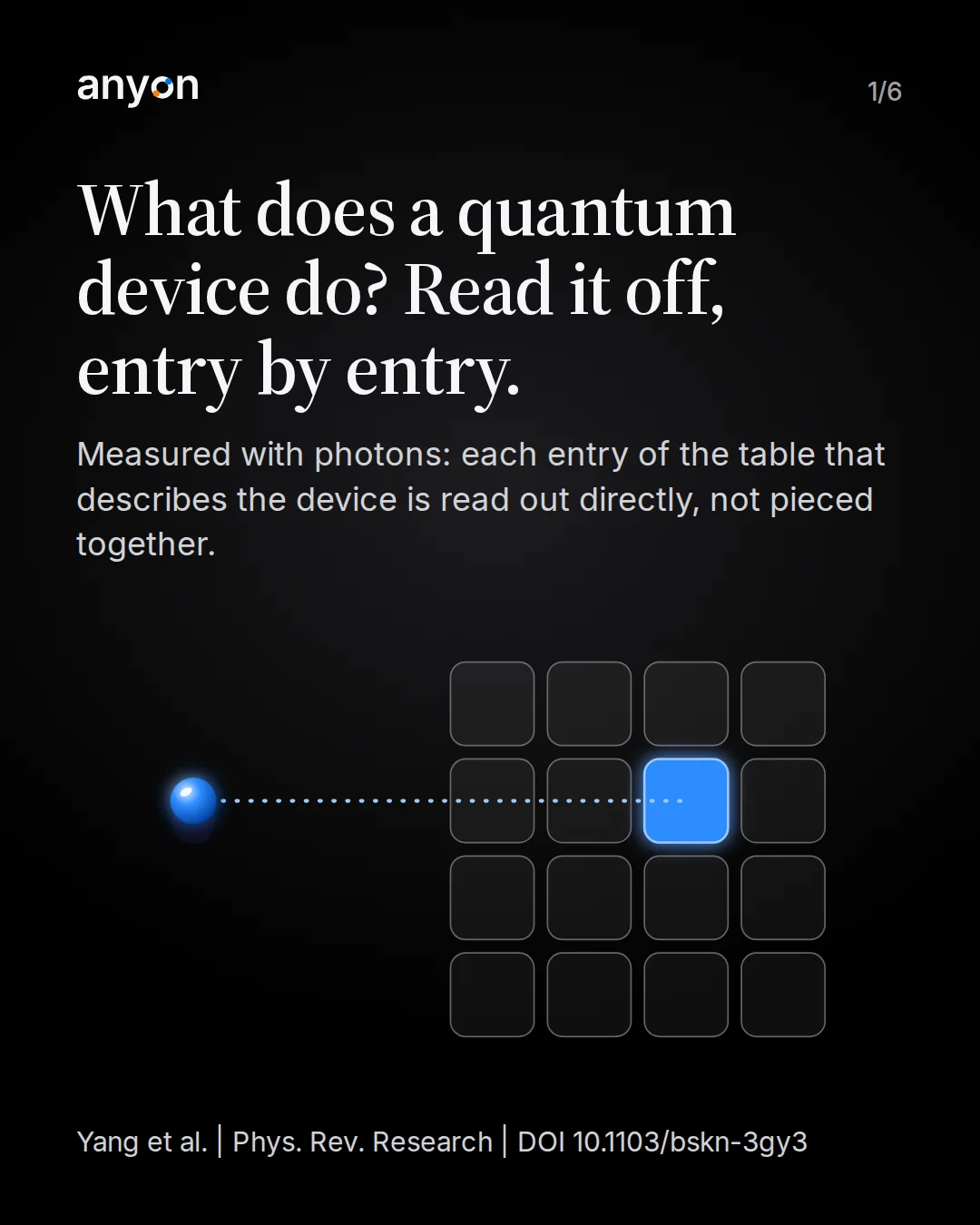
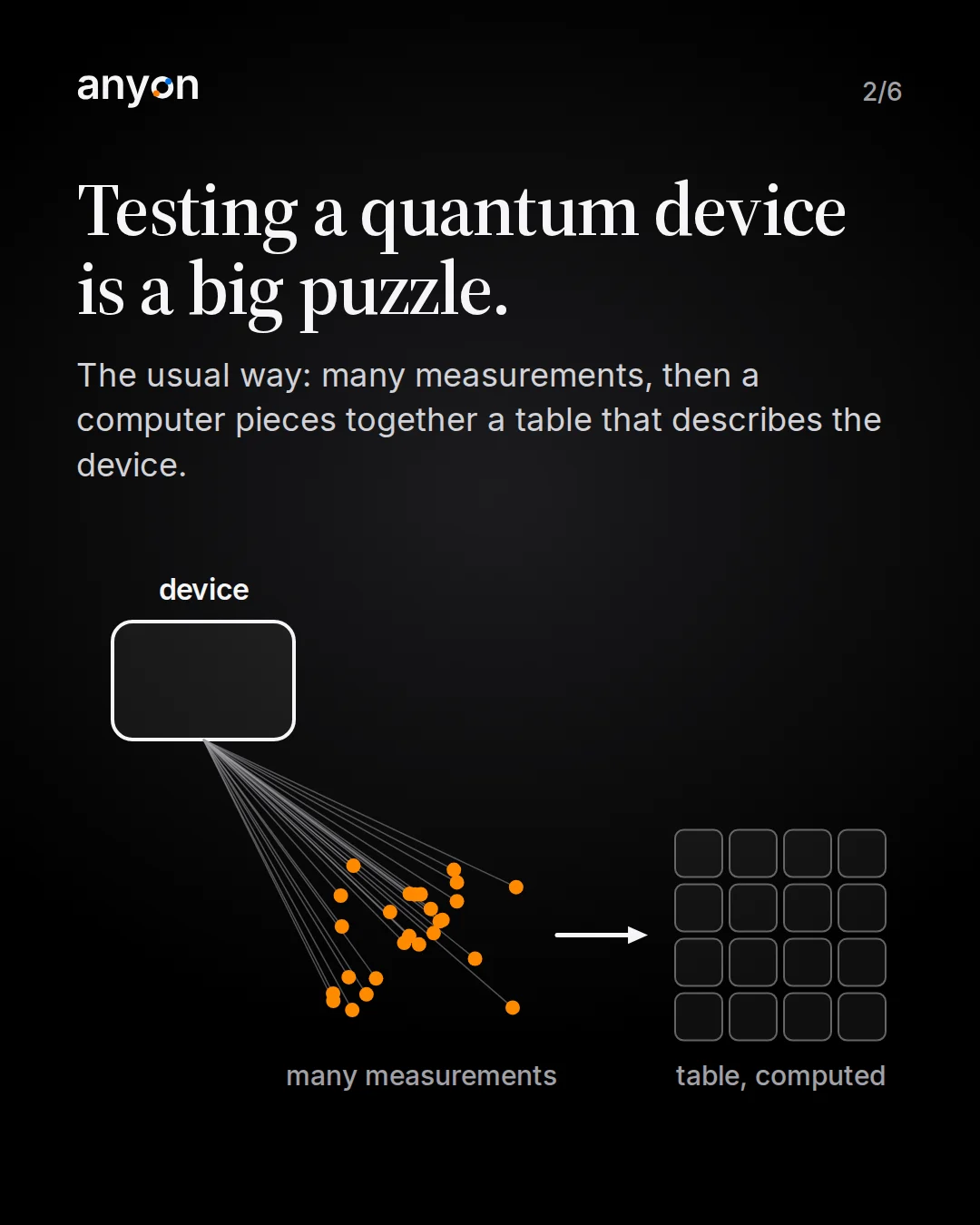
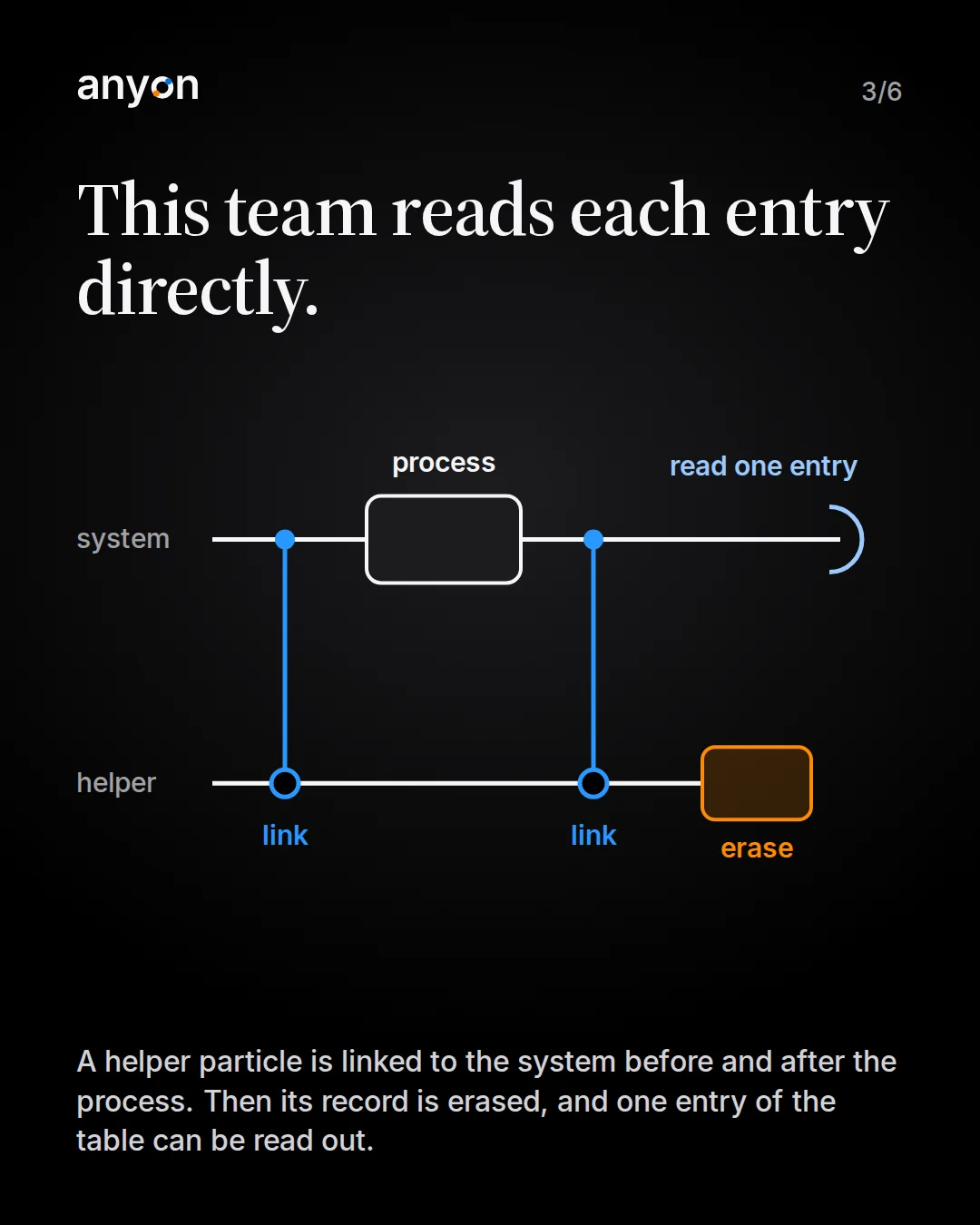
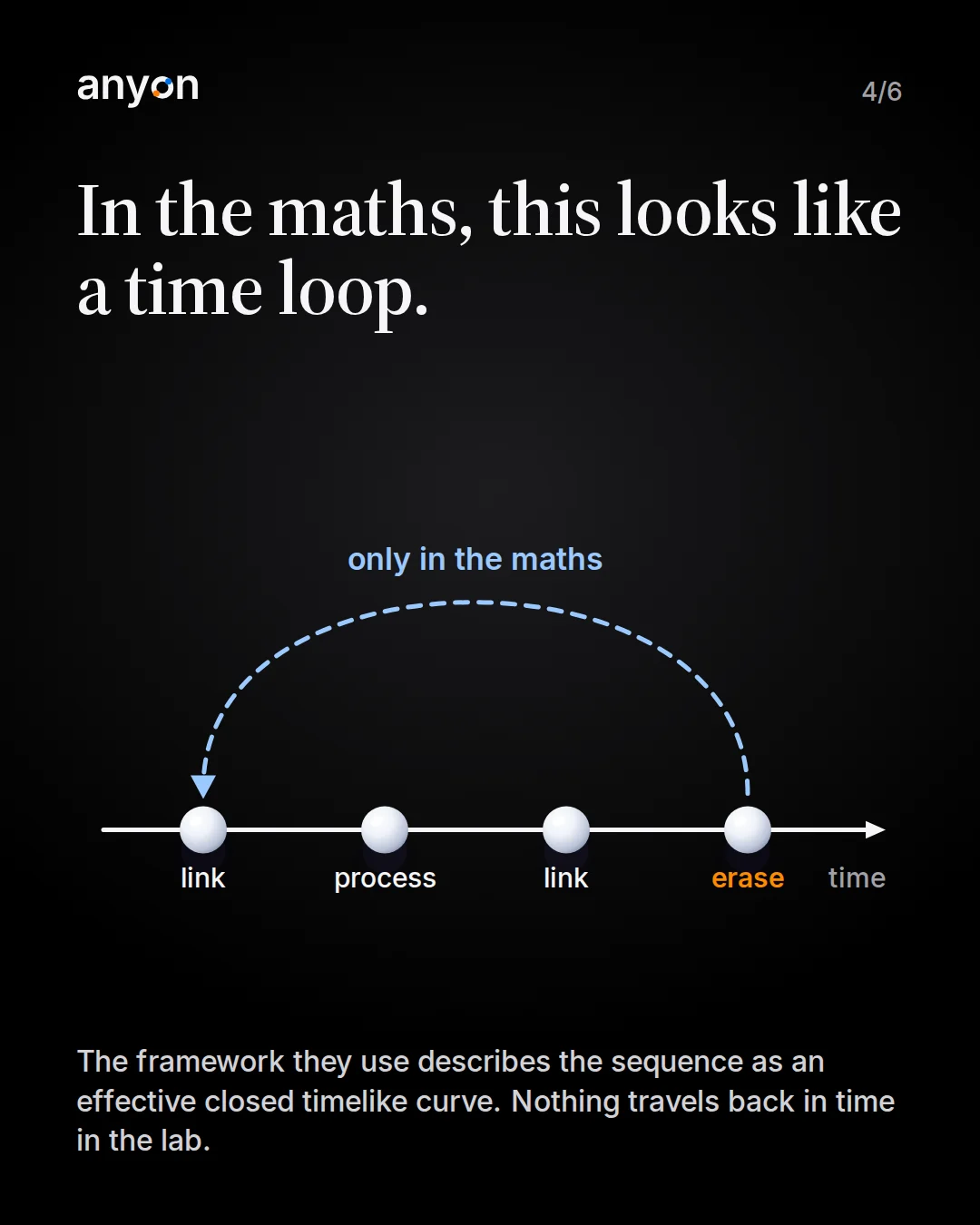
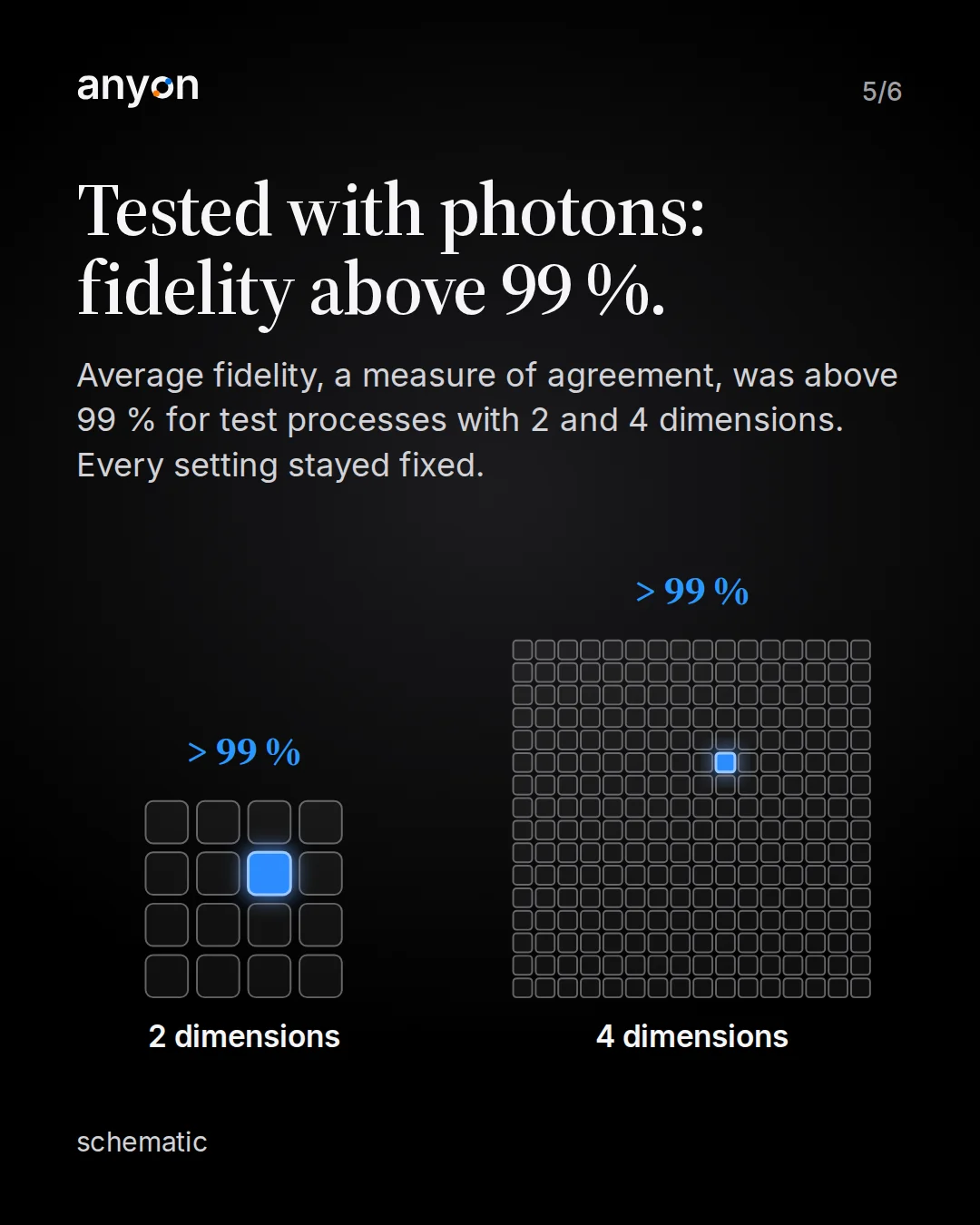
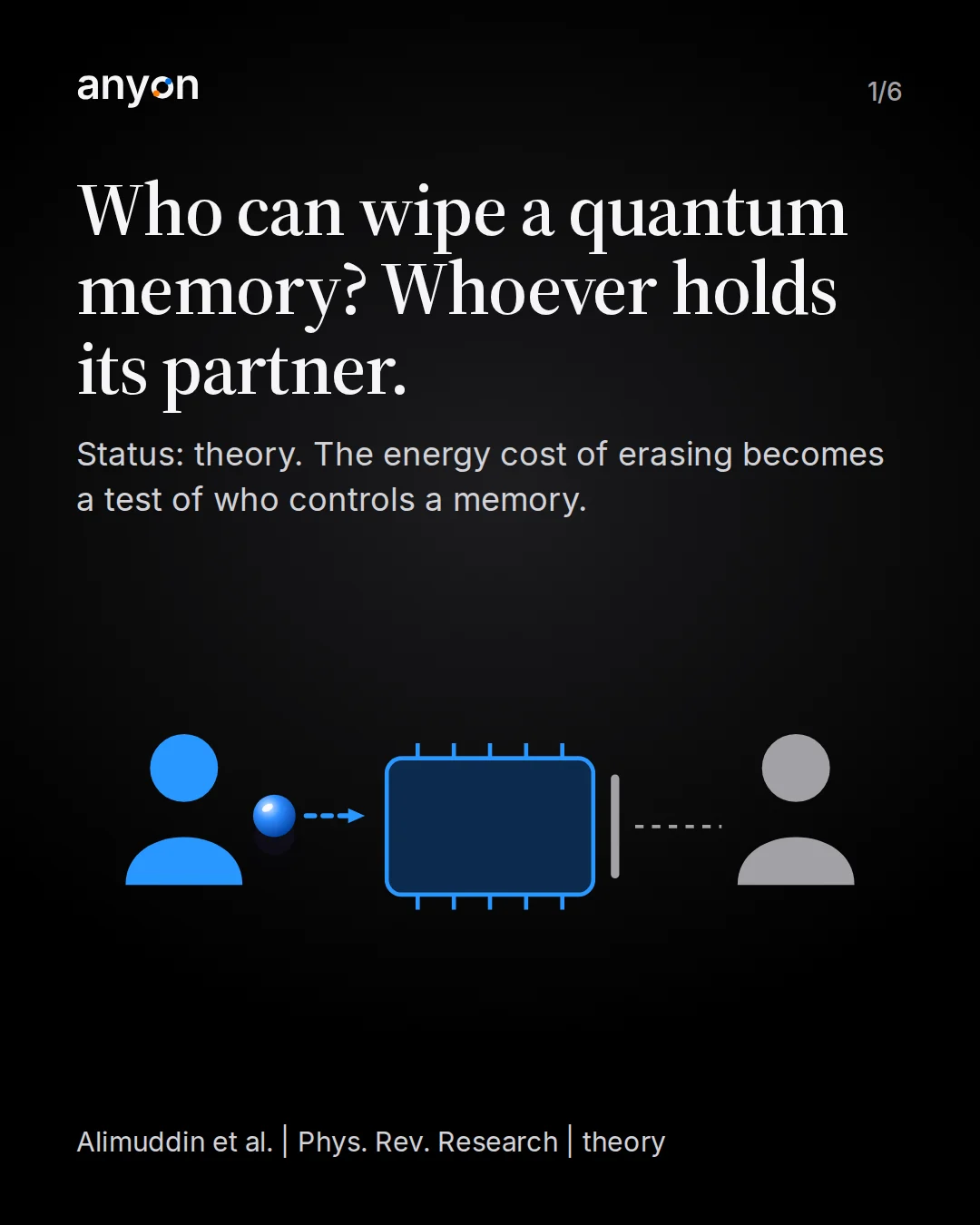
To find out what a quantum device does, physicists usually run many measurements and then put the answer together like a puzzle. This team reads each piece of the answer directly. A helper particle is connected to the system twice, and then its record of what happened is wiped. In the mathematics this works like a loop in time, but nothing actually travels back in time. With particles of light, it worked with more than 99 % accuracy on small examples.
A few papers like this every Monday, free.
Free, with sponsor ads. Unsubscribe anytime. Privacy
The details
What they did
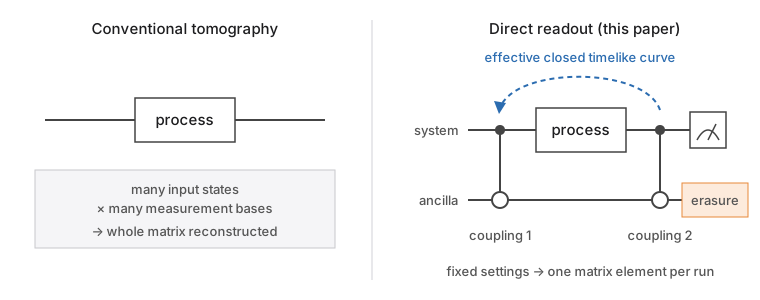
To find out what a quantum device does to a quantum state, physicists usually run many measurements and then reconstruct a large table of numbers, the process matrix, indirectly. The authors read each entry of that table directly: they couple the system step by step to a helper system (an ancilla) and use quantum erasure, which removes the information that would otherwise distinguish the ancilla’s states. In the pseudo-density-matrix framework they use, this sequence acts as an effective “erasure-based closed timelike curve”, the mathematical analogue of a loop in time. (Our inference: this is a description within a formalism, not a claim that anything travels backwards in time in the lab.) The protocol combines addressing of computational-basis states with fixed superposition preparations and projections, so no basis rotations are needed. They demonstrated it with photons on two- and four-dimensional processes with average fidelities above 99 %.
Why it matters
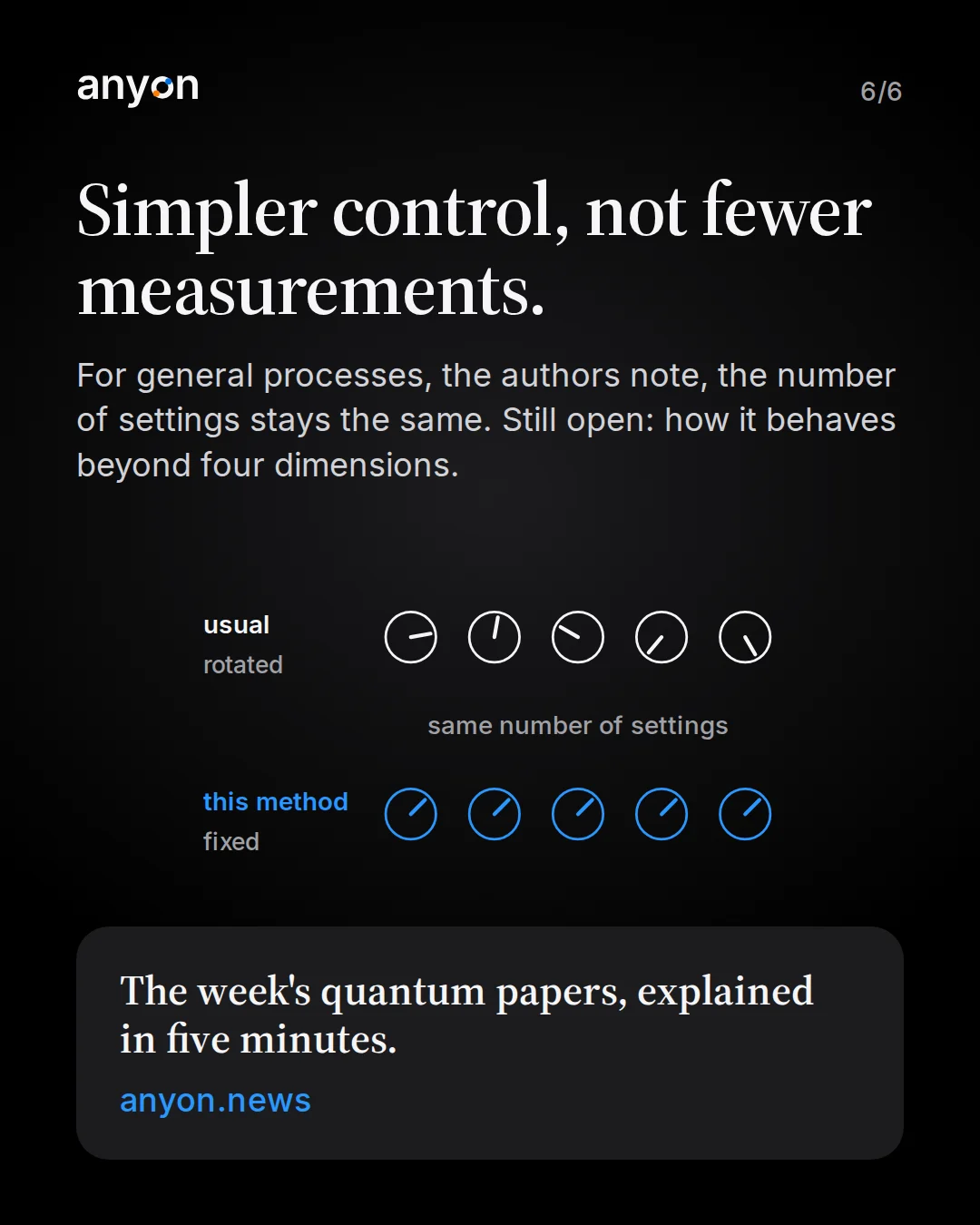
When the computational-basis states of a system are easy to address, fixed settings can simplify the control needed to characterise it, which gets harder as the dimension grows.
What is still open
The authors say that the number of measurement settings is not reduced for general processes. In which real systems does the simpler control outweigh that, and how does the method behave as the dimension grows beyond four?